Browse the field notes
Tag: Brain Bee Prep
-
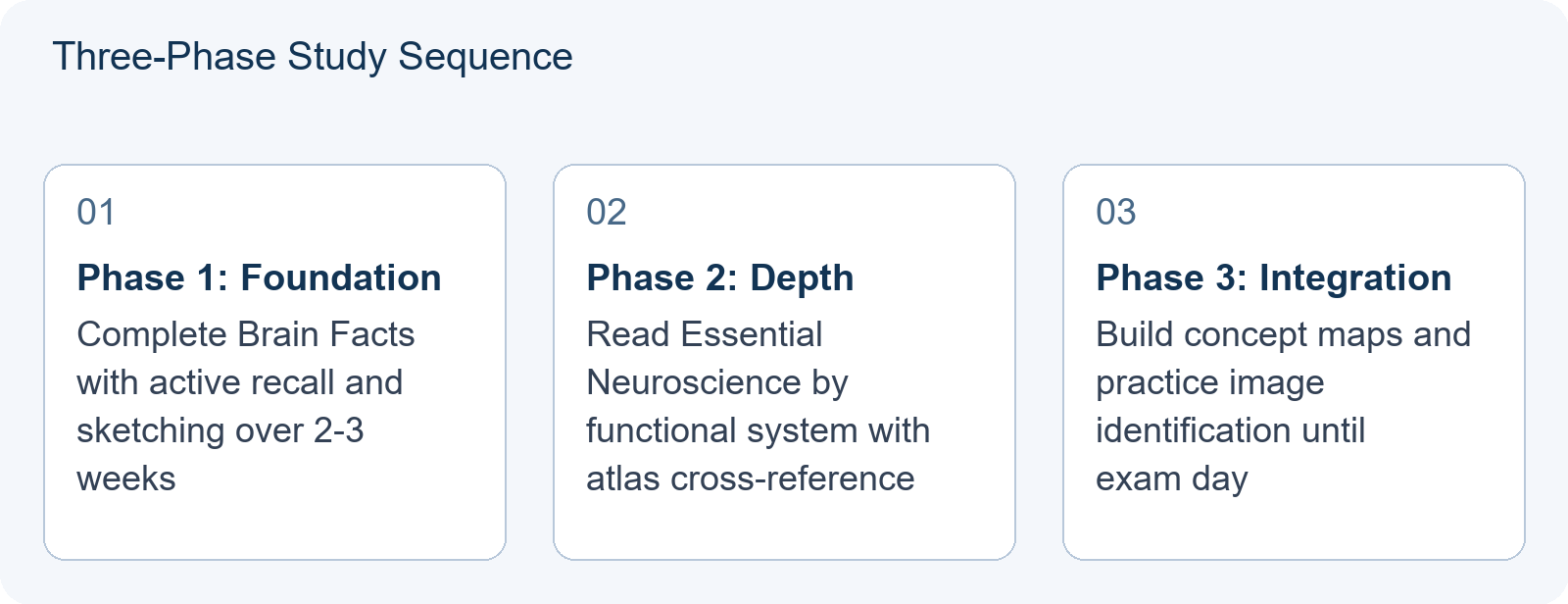
Brain Bee Study Guide: Which Textbook Should You Open First?
A practical guide to sequencing Brain Facts, Essential Neuroscience and an atlas for Brain Bee preparation, with concrete study strategies and a hypothetical case study.
-
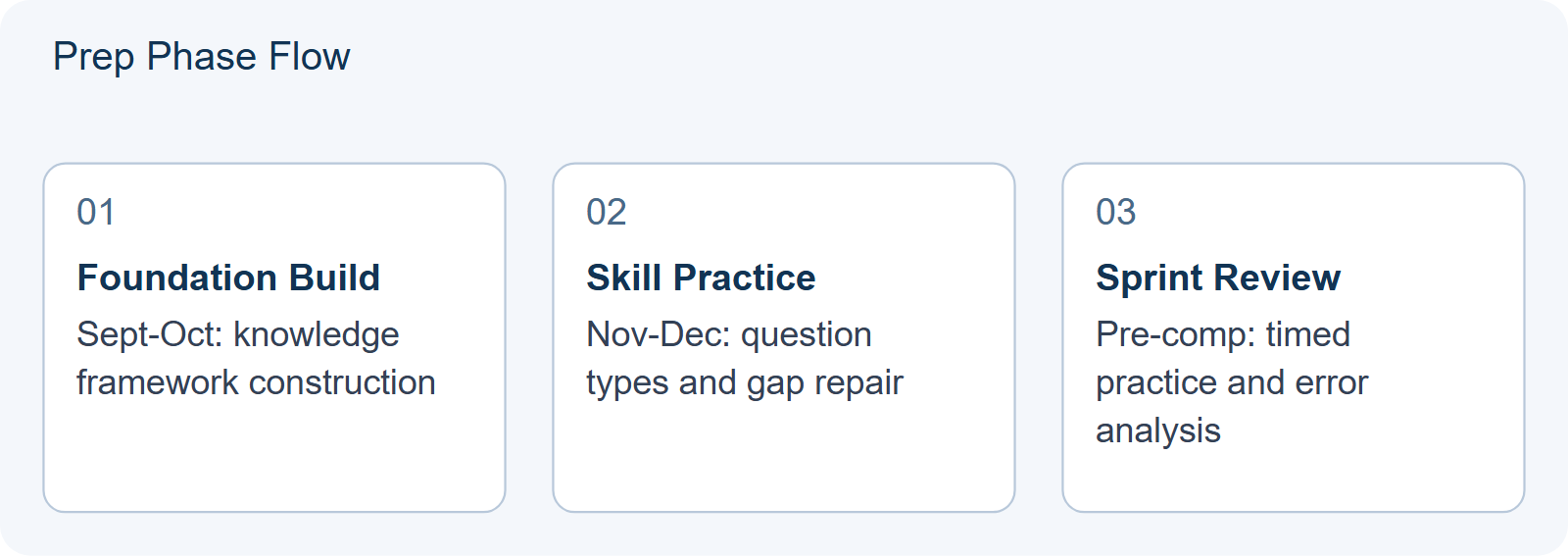
Brain Bee Bootcamp: Why the Search for Intensive Prep Exists and What Alternatives Fit the 2027 Timeline
Students searching for a Brain Bee bootcamp often need concentrated preparation, but the competition’s structure resists true compressed formats. This article explains why bootcamp searches happen, what the 2027 timeline actually permits, and how structured alternatives can achieve focused preparation without misaligned expectations.
-
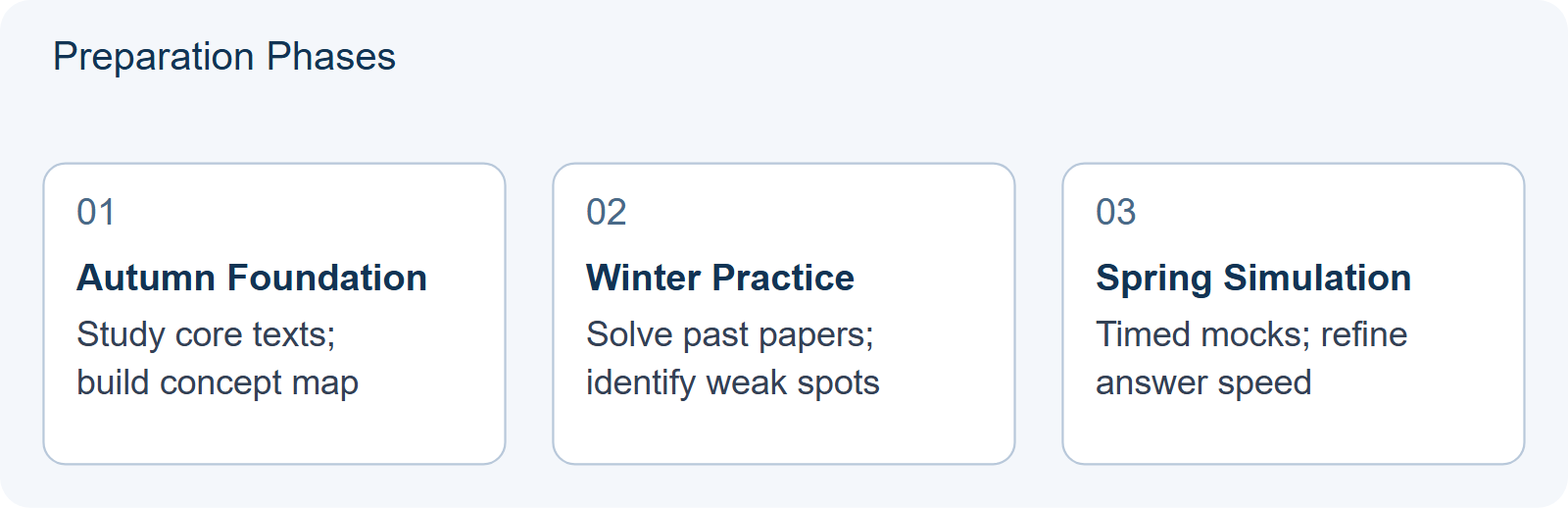
Brain Bee Registration 2027: Preparing Your Entry and Study Plan
Guide to Brain Bee registration for 2027. Understand entry timelines, study plans, and how to prepare without relying on non-existent official training.
-
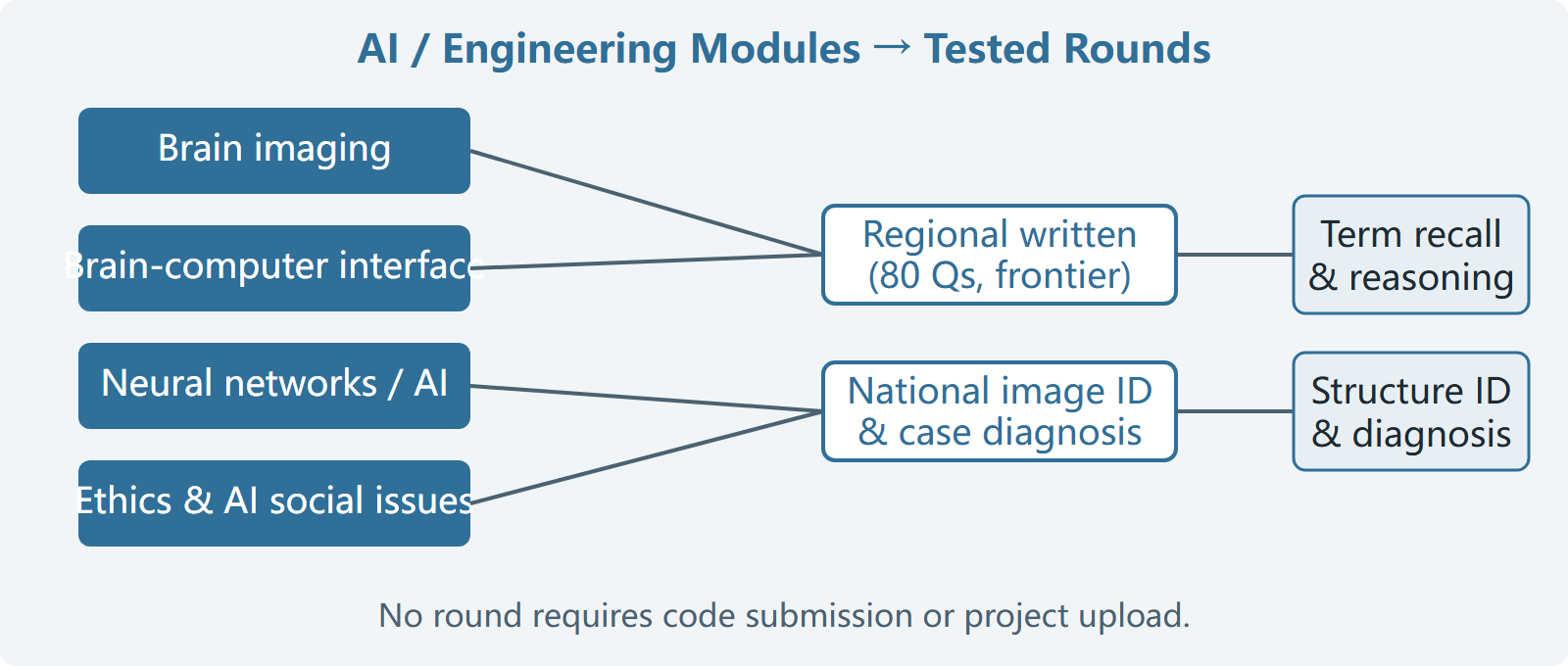
Brain Bee for AI and Computer-Science Students: Where the Syllabus Meets Their Interests
CS and AI students often skip Brain Bee assuming it is pure biology. Hanlin’s 2027 briefing maps brain imaging, BCI, neural-network principles and AI ethics inside the syllabus, yet the tested rounds still demand neuroanatomy, image identification and case reasoning. This article helps you decide whether the overlap is worth your preparation time.
-
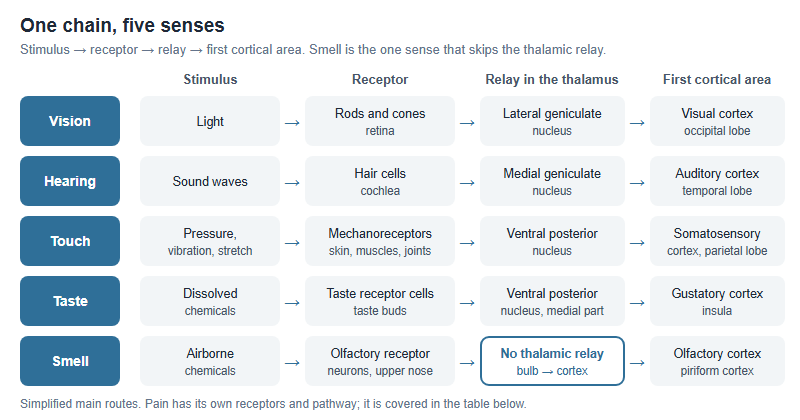
Brain Bee 2027 Sensory Systems: Trace Vision, Hearing, Touch, Taste and Smell From Receptor to Cortex
Every sense in the Brain Bee syllabus follows one chain: stimulus, receptor, relay, cortex. Learn it once, note where smell breaks the pattern, and use it to localise lesions.
-
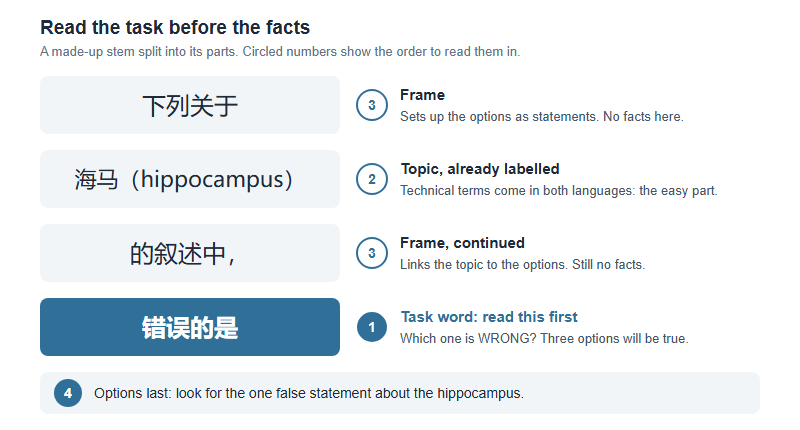
Brain Bee China 2027 Papers Are Set in Chinese: A Bilingual Method for Students Who Learned Neuroscience in English
Brain Bee China 2027 papers are written in Chinese, with technical terms in both languages and English answers accepted. A reading-first method for English-trained students.
-
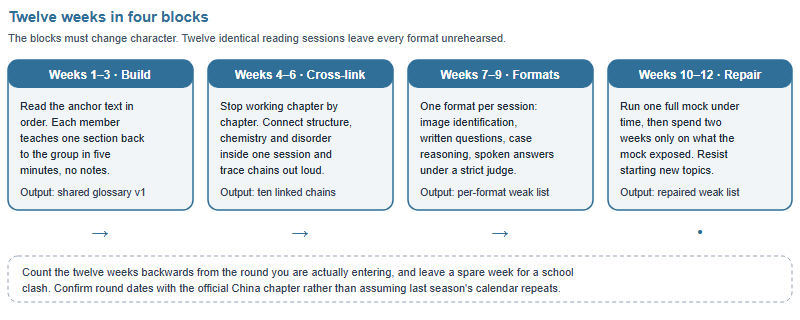
How to Run a Brain Bee Study Group at Your School: A Twelve-Week Playbook for Students and Teachers
The Brain Bee rewards group preparation more than most science competitions, because three of its formats need a second person. A twelve-week plan, session template and role list.
-
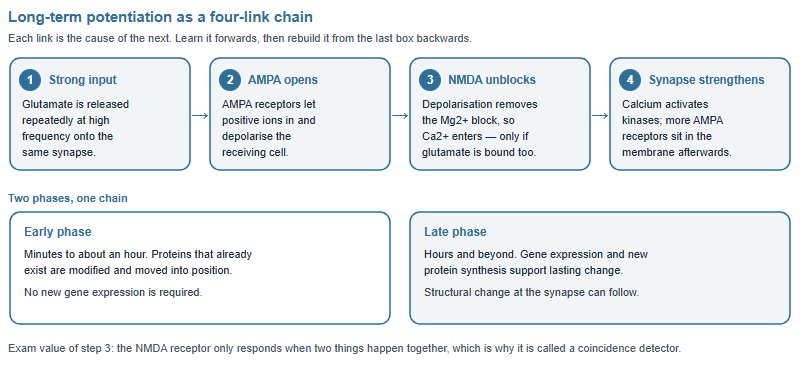
Memory, Plasticity and the Developing Brain: The Brain Bee Cluster That Rewards Chains, Not Lists
Memory systems, long-term potentiation and brain development punish list-learning in the Brain Bee. Revise them as mechanism chains you can run in either direction.
-
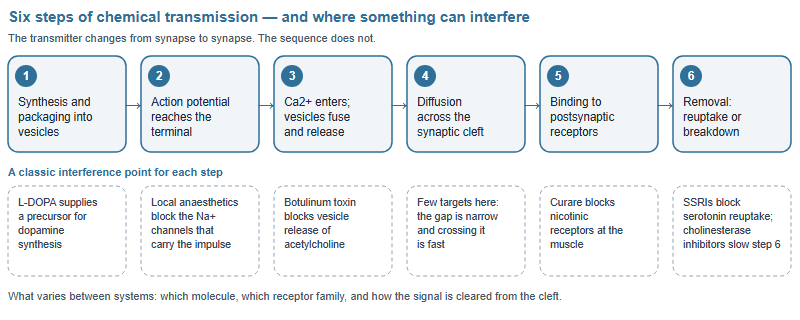
Brain Bee Neurotransmitters and the Synapse: One Mechanism That Answers Questions in Four Formats
Seven transmitter systems and one six-step synapse cover more Brain Bee ground than any other topic. How to learn the mechanism once and reuse it across every round format.