Brain Bee Resources & Study Path
A structured way to prepare for the International Brain Bee neuroscience competition: the core reading source, recommended texts by topic, a season-long study plan, and practice drills for every round.
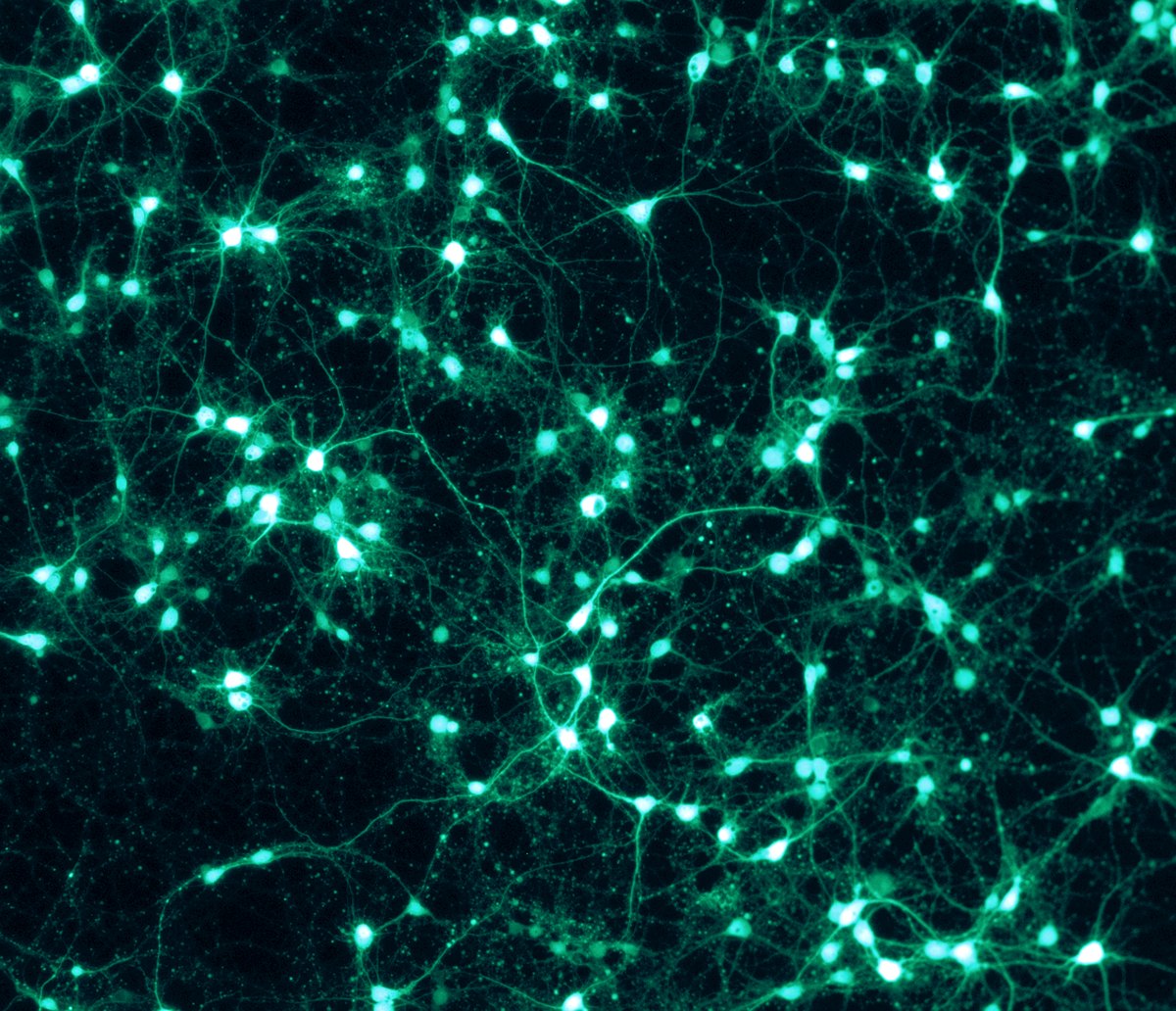
Making the brain visible
Fluorescent labeling makes individual neurons glow — one of the modern techniques behind the research questions competitors study.
What should I study for the Brain Bee?
The single most important resource is the Brain Facts primer. Every International Brain Bee question, from the local round to the World Championship, is anchored to this text.
Brain Facts: A Primer on the Brain and Nervous System is a free introduction to neuroscience published by the Society for Neuroscience. It is the official study source for the Brain Bee, and it is available as a no-cost PDF download and as an audio version, so you can read and listen while you revise.
Read the primer cover to cover at least twice, and do not skip any section. Areas such as neuroethics and research methods are easy to treat as optional, but they draw on the same syllabus and can appear in the exam. Learn the material in a joined-up way rather than memorising isolated facts, because the oral and diagnosis rounds reward students who understand how the brain works, not just what it is called.
For the national tier and above, most students add a second free text, Neuroscience: the Science of the Brain (British Neuroscience Association), which goes deeper on signalling and systems. For the patient-diagnosis round, a trustworthy plain-language medical encyclopedia such as MedlinePlus is a reliable place to check the signs and symptoms of common neurological and psychological disorders.
- Brain Facts primer — PDF and audio (primary source for all rounds)
- Neuroscience: the Science of the Brain — deeper reading for national and world tiers
- A neuroanatomy atlas — for specimen, histology and brain-imaging identification
- MedlinePlus encyclopedia — symptom reference for the patient-diagnosis round
Scan to add a teacher on WeChat
To receive the Brain Bee preparation materials, use the WeChat QR code in the support section below. You can also ask about the periodic RMB 9.9 trial class, complete tutoring, or a free level assessment.
What topics does the Brain Bee cover?
The Brain Bee syllabus is organised around six themes drawn from the Brain Facts primer. Work through them in order so later topics build on earlier ones. See the full breakdown on our syllabus page.
Neuroanatomy
Major brain regions, lobes, subcortical structures and pathways. This is the backbone of the specimen and imaging rounds.
Brain function
Sensory systems, motor control, cognition, emotion, memory, sleep and consciousness — how regions produce behaviour.
Neurons & signalling
Neurons, glia, the action potential, synapses and neurotransmitters. Learn these mechanisms early; everything relies on them.
Brain disorders
Alzheimer’s, stroke, Parkinson’s, epilepsy, addiction, depression and more — core to the patient-diagnosis round.
Development & plasticity
How the nervous system forms, wires and rewires across the lifespan, including learning and recovery after injury.
Research & treatment
Imaging methods, drugs and therapies, and the neuroethics that surround them — a frequently under-studied area.
A suggested study timeline
There is no single correct schedule, but a phased plan spread over a season beats last-minute cramming. Windows below are relative to your local round — confirm your season’s exact dates through registration.
How do I practise for each round?
The Brain Bee tests recall, recognition and reasoning. Because the national tier and above add specimen identification and case rounds, practise each format separately rather than only re-reading notes.
Written exam
Self-test with flashcards and multiple-choice questions from the primer. Aim for fast, accurate recall of definitions and functions under time pressure.
Specimen & neuroanatomy
Use an atlas or labelled diagrams to identify structures on brain models, histology slides and MRI images until naming them becomes automatic.
Patient diagnosis
Read short symptom vignettes and name the most likely disorder. Study the signs and diagnostic clues for common neurological conditions.
Oral recall
Practise answering out loud, concisely and directly, with a partner asking rapid questions — the oral round rewards clear, confident answers.
Study tips that separate finalists
Study a little every day
Consistent daily revision beats intensive weekend cramming. Spacing your reading and flashcard reviews across weeks is how information moves into long-term memory, which is exactly what a closed-book exam demands.
- Do not skip any chapter. The topics students ignore — ethics, research methods, development — are exactly where finals are won and lost.
- Understand, then memorise. Learn how systems connect so you can reason through an unfamiliar oral question instead of freezing on a term.
- Teach it back. Explaining a concept aloud to someone else exposes the gaps that silent re-reading hides.
- Simulate the real rounds. Timed, spoken and hands-on practice builds the composure you need on stage.
- Enjoy it. Curiosity is the best fuel — students who find the brain genuinely fascinating outlast those who only chase the prize.
If you would rather not build a plan alone, structured coaching can compress months of trial and error into a clear weekly path. Explore our tutoring courses, or scan to add a teacher on WeChat for the materials, a periodic RMB 9.9 trial class, complete tutoring, or a free level assessment.
Choose the Brain Bee support you need
We provide competition registration service and the entry form, periodic RMB 9.9 trial classes, complete Brain Bee tutoring, and a free level assessment.