About the International Brain Bee
The International Brain Bee is a worldwide neuroscience competition for secondary-school students, founded in 1998 to inspire young people toward careers in brain science and medicine. This page explains who created it, how it is organised, and how this independent guidance site fits in.
From Cajal to the classroom
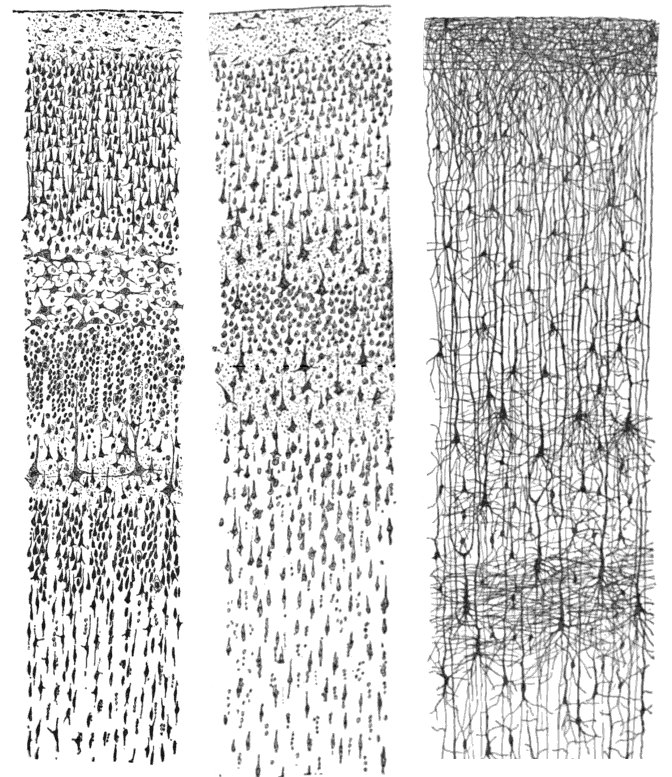
The competition exists to pass that legacy on — turning teenagers’ curiosity about the brain into the next generation of neuroscientists and physicians.
What is the Brain Bee, and why was it founded?
The International Brain Bee (IBB) is a global neuroscience competition for students in roughly grades 5 through 12, created in 1998 by Dr. Norbert Myslinski, a neuroscientist at the University of Maryland in Baltimore. It challenges students to learn how the human brain works and rewards those who master it, from local rounds all the way to a World Championship.
Dr. Myslinski launched the first Brain Bee with a handful of local chapters in North America, building on his work directing Brain Awareness Week outreach in Maryland. His aim was straightforward: to get teenagers genuinely interested in the brain and to steer talented students toward neuroscience, medicine, and research careers, so that a future generation would help treat brain disorders. The International Brain Bee still describes its purpose in almost those terms, summarising its mission with the motto “to build better brains to fight brain disorders.”
From that small start, the competition has grown into one of the most widely recognised academic contests in the brain sciences. Today the International Brain Bee reaches more than 50 countries on six continents, and over 25,000 students take part in Brain Bee competitions each year. The subject matter is anchored on the neuroscience primer Brain Facts, covering neuroanatomy, brain function, neurons and signalling, brain disorders, development and plasticity, and how research becomes treatment. For the full topic breakdown and study materials, see the resources page and the competition overview.
How is the Brain Bee organised?
The International Brain Bee runs on three tiers. Students win their way up, and only national champions reach the global final.
The Brain Bee also splits by age: the Junior division covers grades 5 to 8, and the Standard division covers grades 9 to 12, though exact grade bands vary slightly by country. For rules, formats, and the season timeline, see the rules page.
What is IBB NextGen?
IBB NextGen is the International Brain Bee’s programme for its highest achievers, keeping top World Championship winners connected to real neuroscience.
From competitor to community
Through IBB NextGen, leading World Championship winners are invited to take part in specialised neuroscience conferences and research settings alongside working scientists. It extends the Brain Bee experience past the exam hall, giving standout students a first step into the professional brain-science community the competition was created to grow.
Is this the official Brain Bee website?
No. This is an independent English-language guidance site, not the official Brain Bee organisation.
We are not affiliated with, endorsed by, or run by the International Brain Bee or any national organiser. This site exists to explain the competition clearly for students, parents, and teachers, and to help readers in China and elsewhere find the right official channels. We summarise how the Brain Bee works, point to trusted study materials, and flag where dates or details differ between seasons.
Because official schedules change every year and sources sometimes conflict, we avoid presenting unconfirmed dates as fact. Always confirm the current season’s registration deadlines, round dates, and eligibility with the official organiser for your region before you rely on them. If you are competing in China, our China region page walks through the local pathway, and the registration page explains how to check the confirmed dates.
Choose the Brain Bee support you need
We provide competition registration service and the entry form, periodic RMB 9.9 trial classes, complete Brain Bee tutoring, and a free level assessment.