Brain Bee field notes
News & insights
Competition guidance, neuroscience reading, and practical preparation notes for students, families, and educators.
-
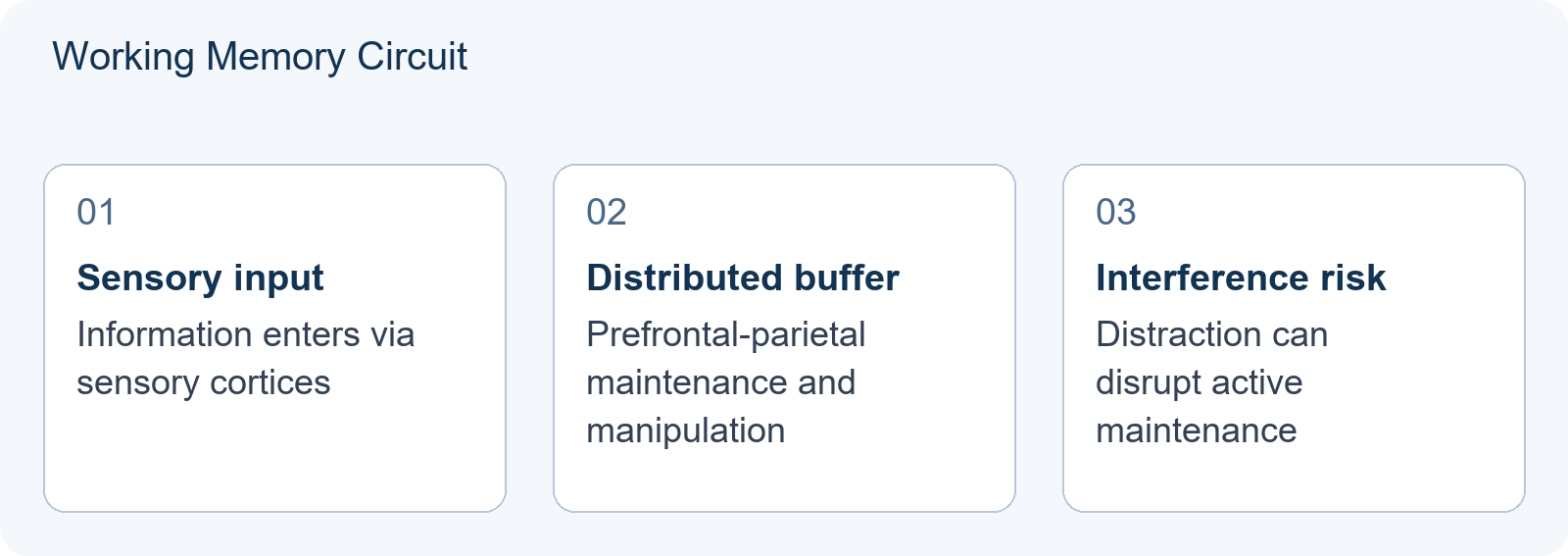
Brain Bee Memory Systems: Distinguish Working Memory From Long-Term Learning
A worked teaching case for Brain Bee students: how working memory buffers and long-term consolidation differ in mechanism, duration, and neural basis, with checked examples showing when each system operates and why confusing them hurts exam answers.
-
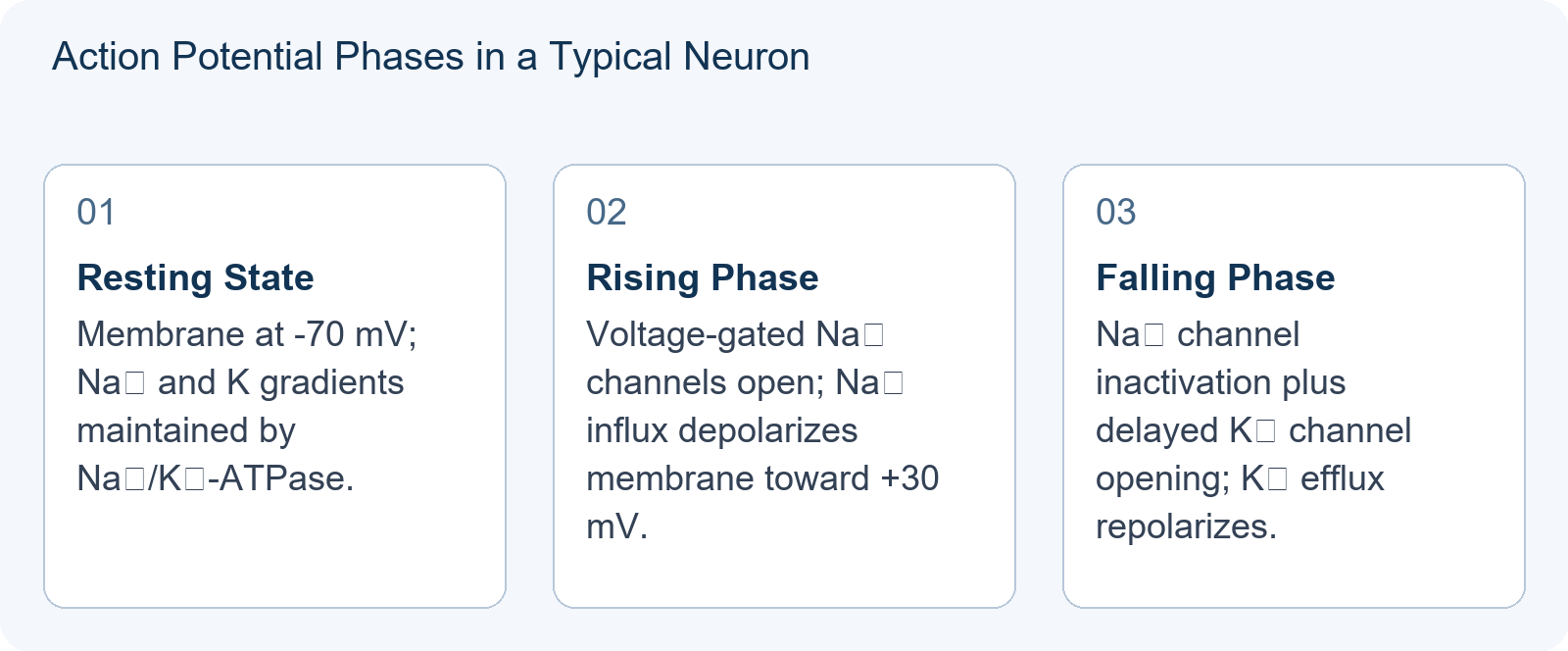
Brain Bee Action Potentials: Read a Voltage Trace Without Confusing Ion Movement
Learn to interpret voltage traces in Brain Bee action potential questions by distinguishing ion movement from membrane potential changes, avoiding common conceptual traps about causality and channel kinetics.
-
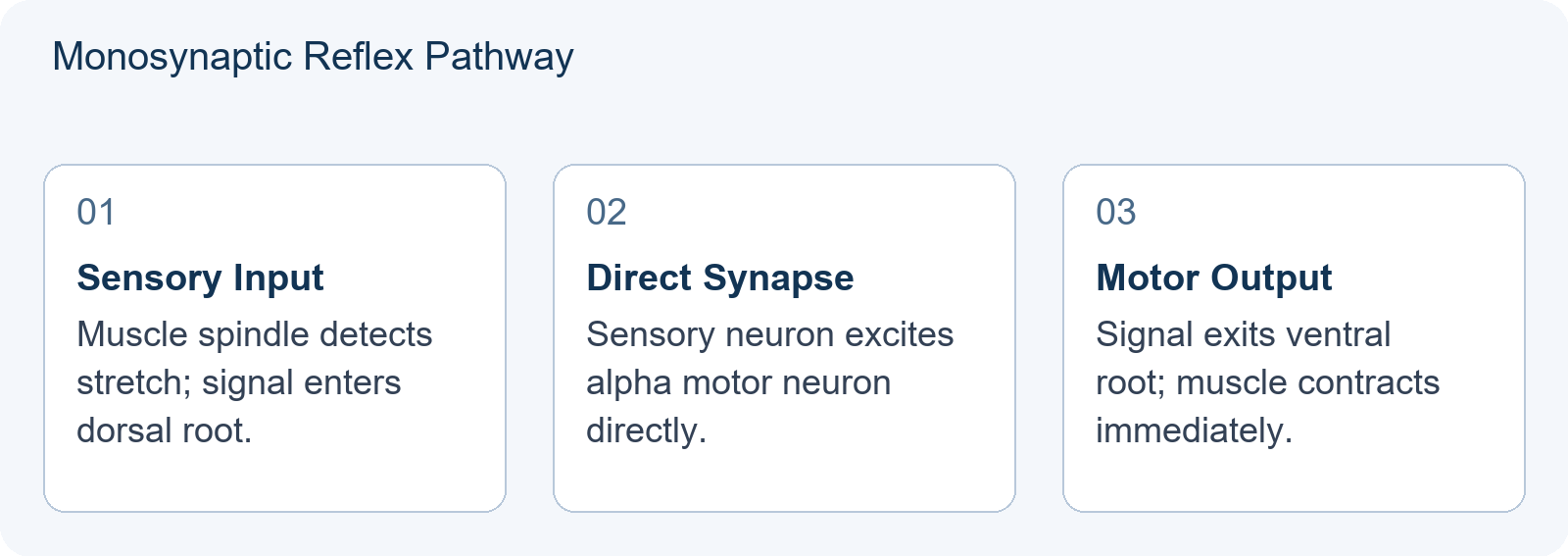
Brain Bee Reflex Arcs: Tracing Sensory Input, Synapses and Motor Output
A focused guide for Brain Bee participants on tracing reflex arcs from sensory input to motor output, featuring worked hypothetical examples and diagnostic strategies.
-
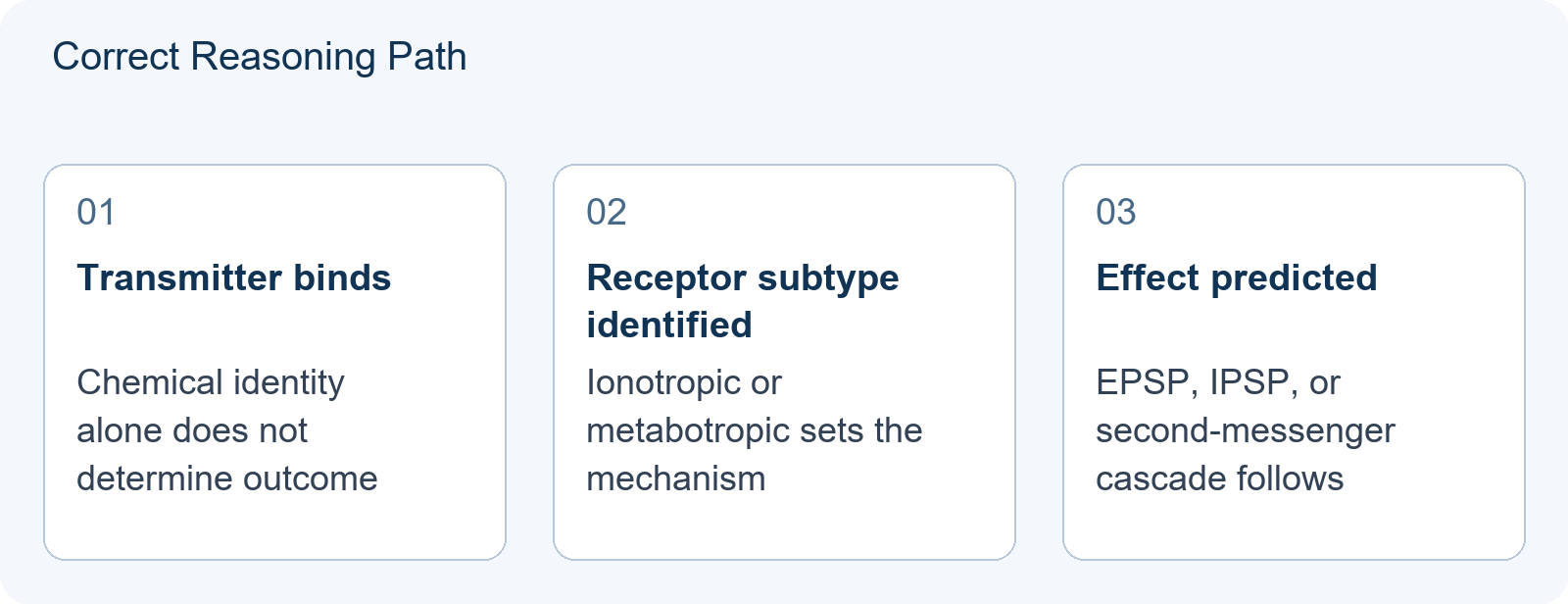
Brain Bee Neurotransmitters: Separating a Chemical Signal From Its Receptor Effect
Learn to distinguish a neurotransmitter’s chemical identity from its receptor-mediated effect—two concepts Brain Bee competitors often merge. Work through three hypothetical teaching illustrations, spot the common shortcut error, and build a reliable decision routine.
-
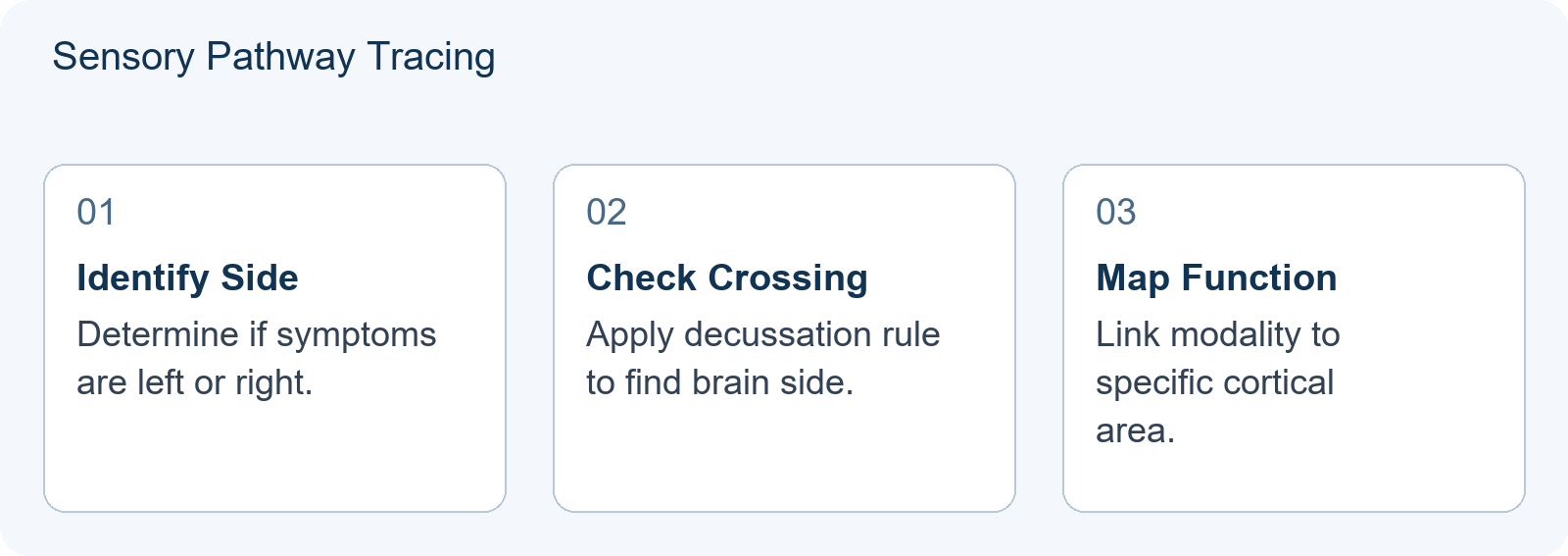
Brain Bee Lesion Localisation: Connecting a Symptom Pattern to a Neural Pathway
A focused guide on diagnosing neural pathway disruptions in Brain Bee competitions, featuring worked hypothetical cases, common reasoning errors, and a practice decision framework.
-
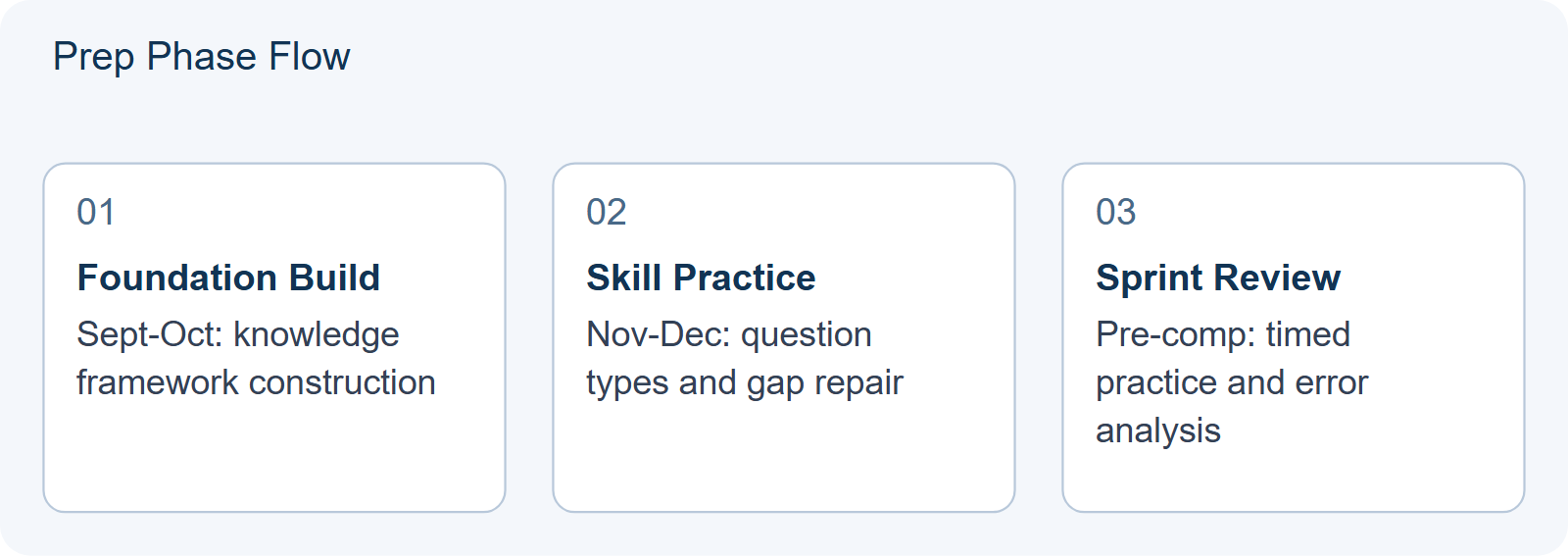
Brain Bee Bootcamp: Why the Search for Intensive Prep Exists and What Alternatives Fit the 2027 Timeline
Students searching for a Brain Bee bootcamp often need concentrated preparation, but the competition’s structure resists true compressed formats. This article explains why bootcamp searches happen, what the 2027 timeline actually permits, and how structured alternatives can achieve focused preparation without misaligned expectations.
-
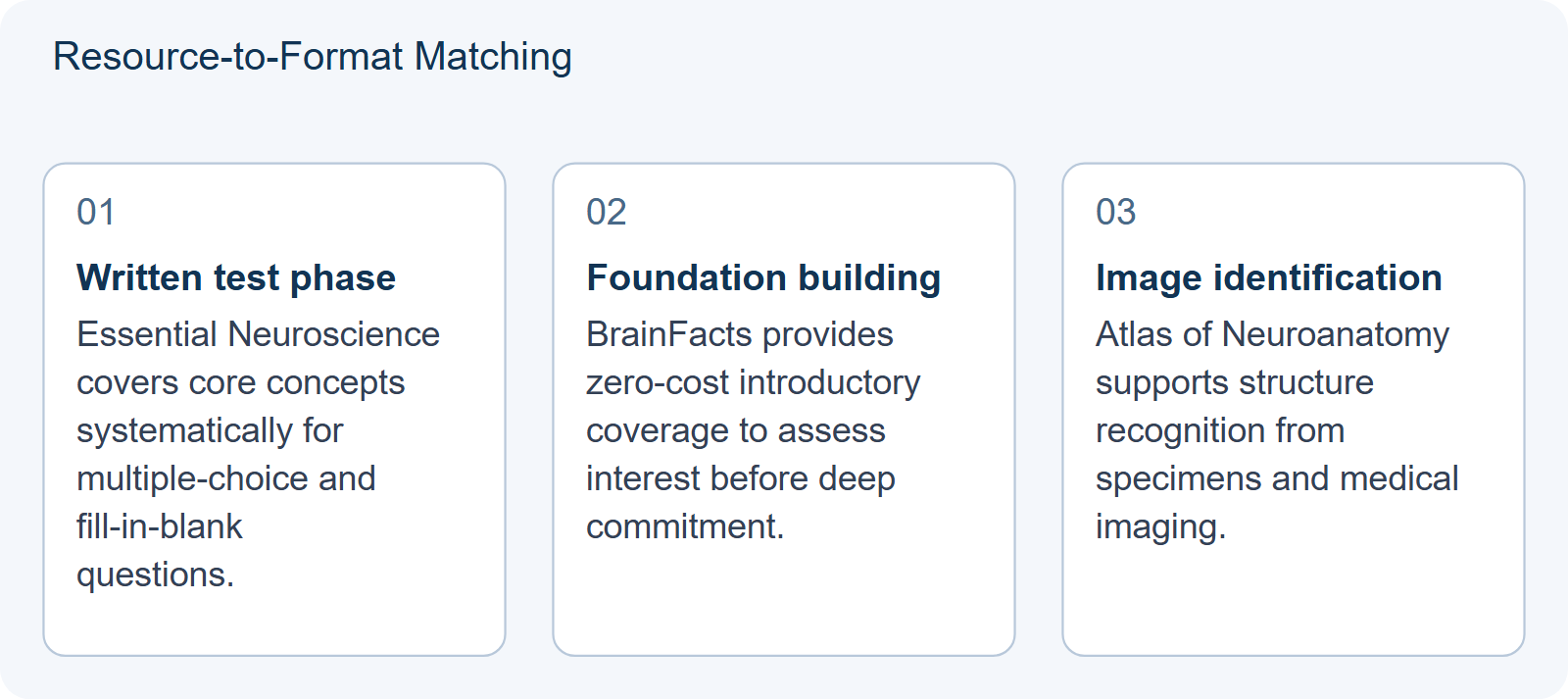
Brain Bee Study Materials: Matching Essential Neuroscience, BrainFacts and Atlas to the Questions You Will Actually Face
A practical guide to selecting Brain Bee study materials based on the competition’s actual question formats—written test, image identification, and case diagnosis—rather than collecting every recommended book.
-
Brain Bee Registration 2027: Preparing Your Entry and Study Plan
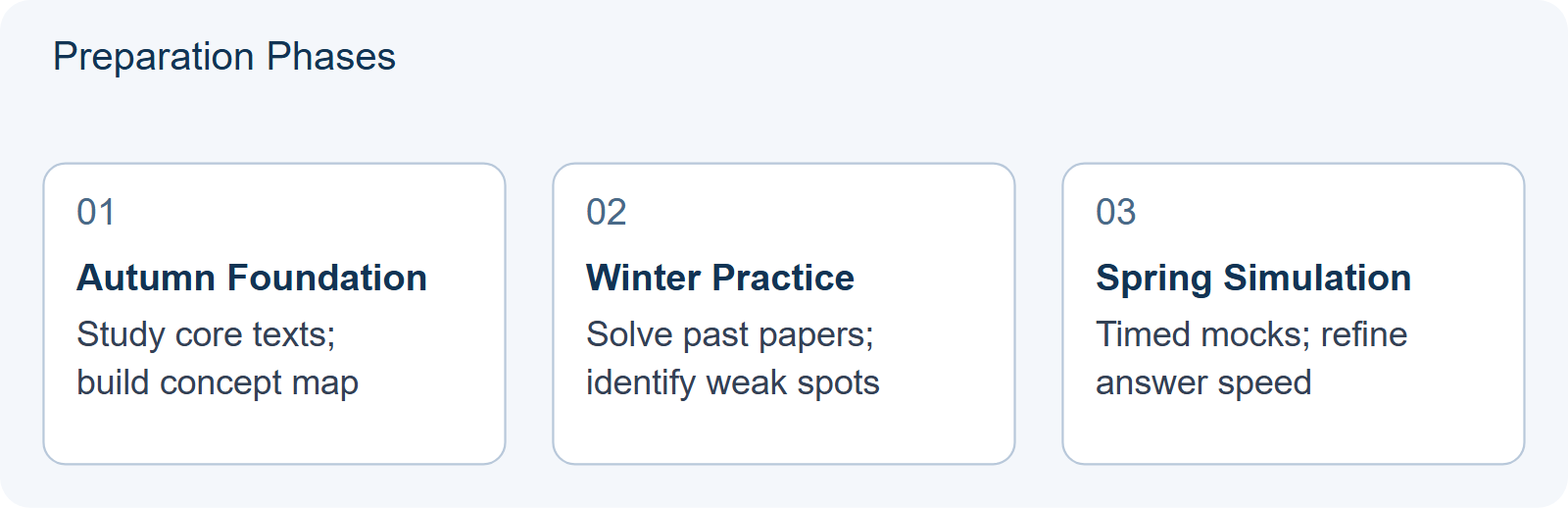
Guide to Brain Bee registration for 2027. Understand entry timelines, study plans, and how to prepare without relying on non-existent official training.
-
Brain Bee for AI and Computer-Science Students: Where the Syllabus Meets Their Interests
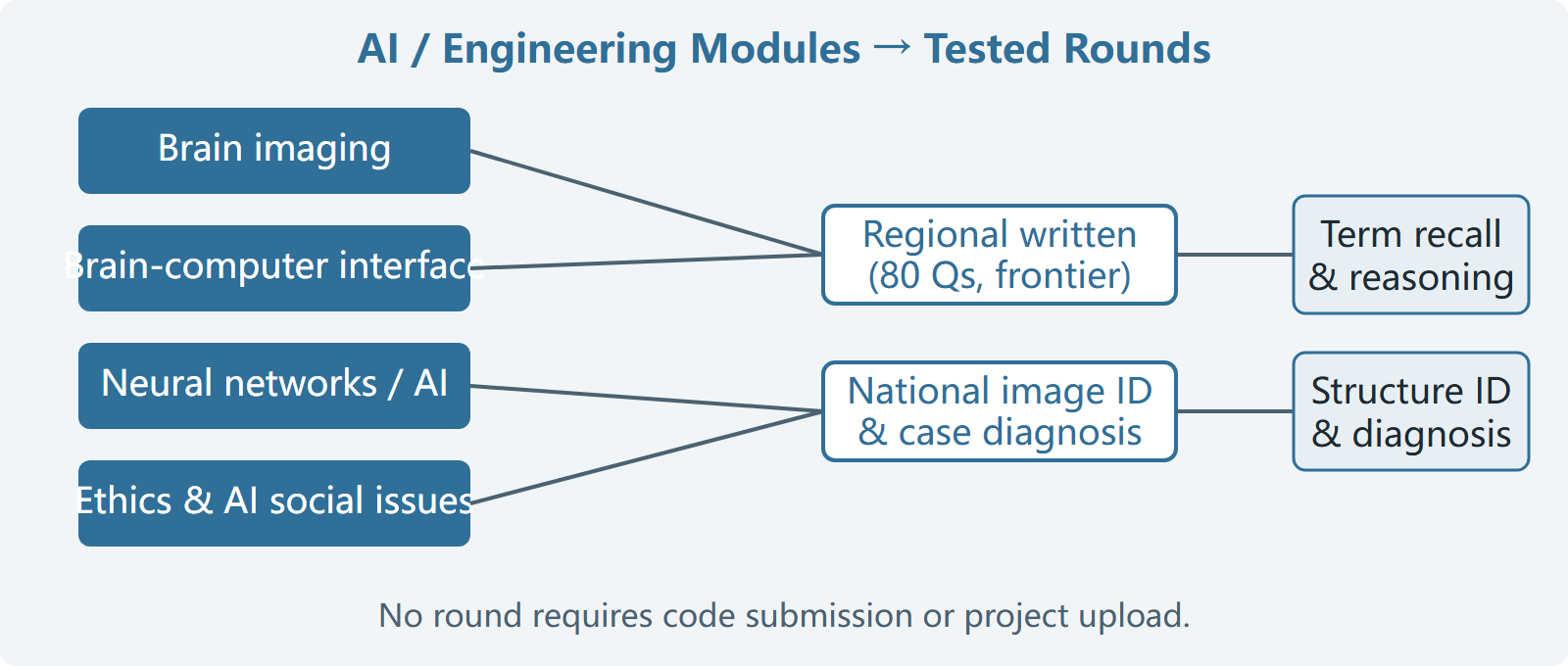
CS and AI students often skip Brain Bee assuming it is pure biology. Hanlin’s 2027 briefing maps brain imaging, BCI, neural-network principles and AI ethics inside the syllabus, yet the tested rounds still demand neuroanatomy, image identification and case reasoning. This article helps you decide whether the overlap is worth your preparation time.