Brain Bee Results & Recognition
Brain Bee results follow a clear ladder. Local and regional winners advance to their National Brain Bee, each national champion represents their country at the International Brain Bee (IBB) World Championship, and the leading World Championship finishers earn international recognition in neuroscience.
Behind every award
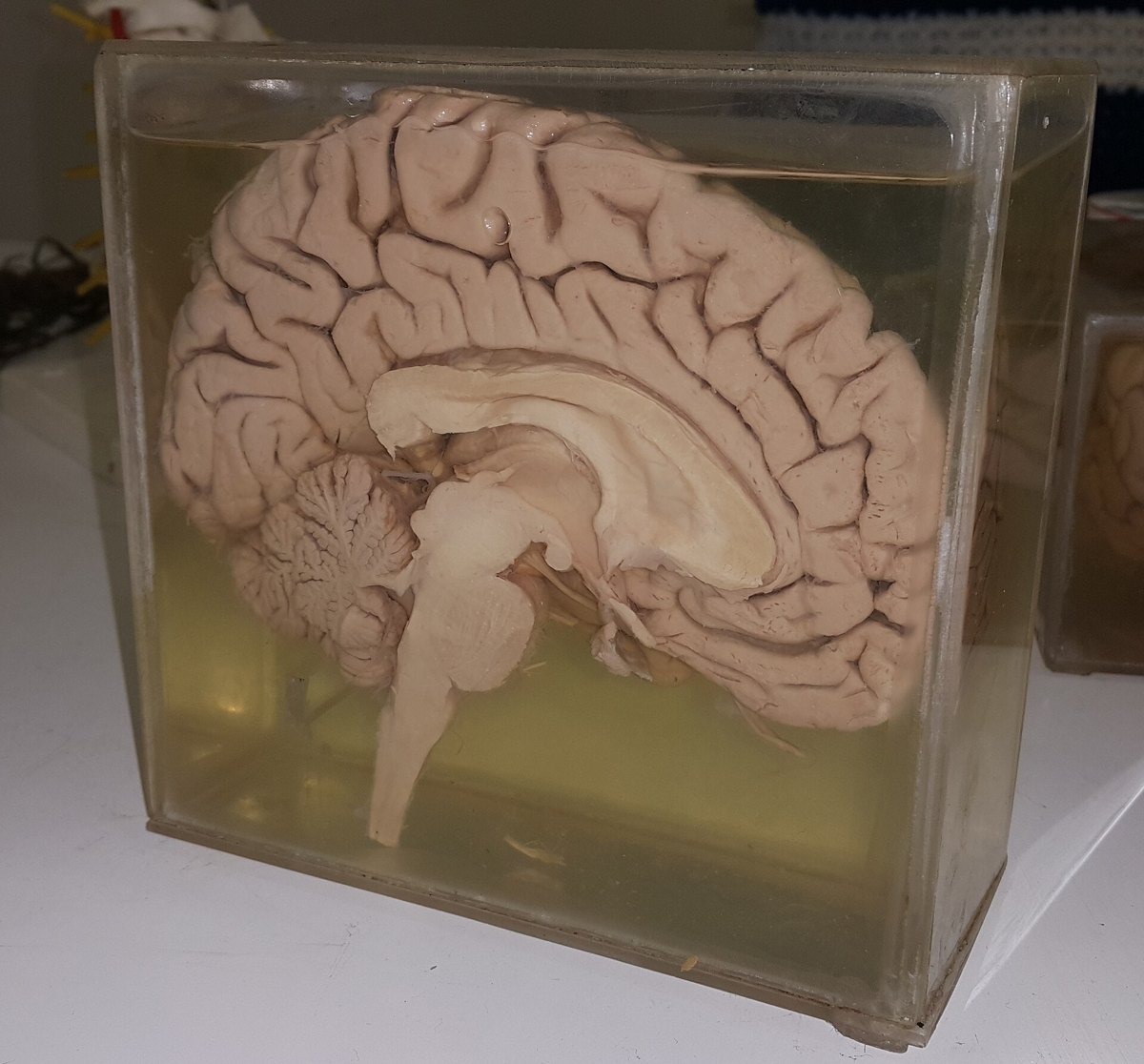
Behind every award is genuine mastery of the brain — its anatomy, its cells, and the disorders that neuroscience works to treat.
How do Brain Bee results and awards work?
Brain Bee results are decided tier by tier. Each round produces winners who advance, and only one champion per country reaches the International Brain Bee World Championship.
What happens at the Brain Bee World Championship?
The International Brain Bee World Championship gathers the national champions of participating countries and ranks them through a short, intensive series of tests. Each competitor has already won the highest level of Brain Bee competition in their country to earn a place.
Competitors work through three core components used at the World Championship: a closed-book written exam, a neuroanatomy and neurohistology (specimen) component, and a patient-diagnosis section based on clinical cases. Combined scores from these assessments determine which top students advance to the final stage.
A select number of finalists then compete in a Live Judging Session, a question-and-answer round scored by expert neuroscientists that is typically livestreamed for the public. This final round decides the World Champion and the second- and third-place finishers. Recent championships have drawn record fields, with dozens of national champions competing in a single edition.
The World Championship is hosted alongside a major international neuroscience conference, which changes each year, so exact dates and the host city vary by season. Confirm the current edition’s schedule through official registration and organiser channels rather than assuming last year’s arrangements repeat.
What do Brain Bee winners receive?
Brain Bee winners gain formal awards at the World Championship plus longer-term recognition that follows students into higher education and research.
Awards & prizes
The IBB World Champion receives a cash prize, a personalised plaque and a medal, with the second- and third-place finishers also receiving medals and cash prizes. Specimen and neuroanatomy performance can carry its own special award.
IBB NextGen
Top World Championship winners are invited to IBB NextGen, a programme that engages leading finishers at specialised neuroscience conferences and connects them with researchers in the field.
Long-term standing
A strong Brain Bee result signals genuine subject mastery on university applications and marks an early step toward study and careers in neuroscience, medicine and related sciences.
A short history of the World Championship
The International Brain Bee was founded in 1998 by Dr. Norbert Myslinski at the University of Maryland, and the first Brain Bee was held in Maryland that year.
The competition grew quickly. In 1999, cities across the United States and Canada ran local Brain Bees, and a group of their winners travelled to Baltimore for the first international championship. From that start the International Brain Bee has expanded to more than 50 countries and 25,000+ competitors each year, with national champions meeting annually at the World Championship.
Because the World Championship is tied to a major neuroscience meeting, the event has moved between host cities and, in some recent years, run virtually. This guidance site is independent and not the official Brain Bee organiser, so treat any specific edition’s champions, dates or venue as details to confirm through official sources.
Confirm the current season’s results and dates
Exact rounds, host cities and named winners change every season, and published dates for the China pathway can differ between sources. For the confirmed schedule, this year’s results and how to register, use the official registration and contact channels rather than relying on past editions.
The Brain Bee, by the milestones
The competition’s record reads most clearly as a short timeline of verifiable landmarks, rather than a list of individual winners that changes every year.
Choose the Brain Bee support you need
We provide competition registration service and the entry form, periodic RMB 9.9 trial classes, complete Brain Bee tutoring, and a free level assessment.