
Browse the field notes
Tag: Brainbee
-
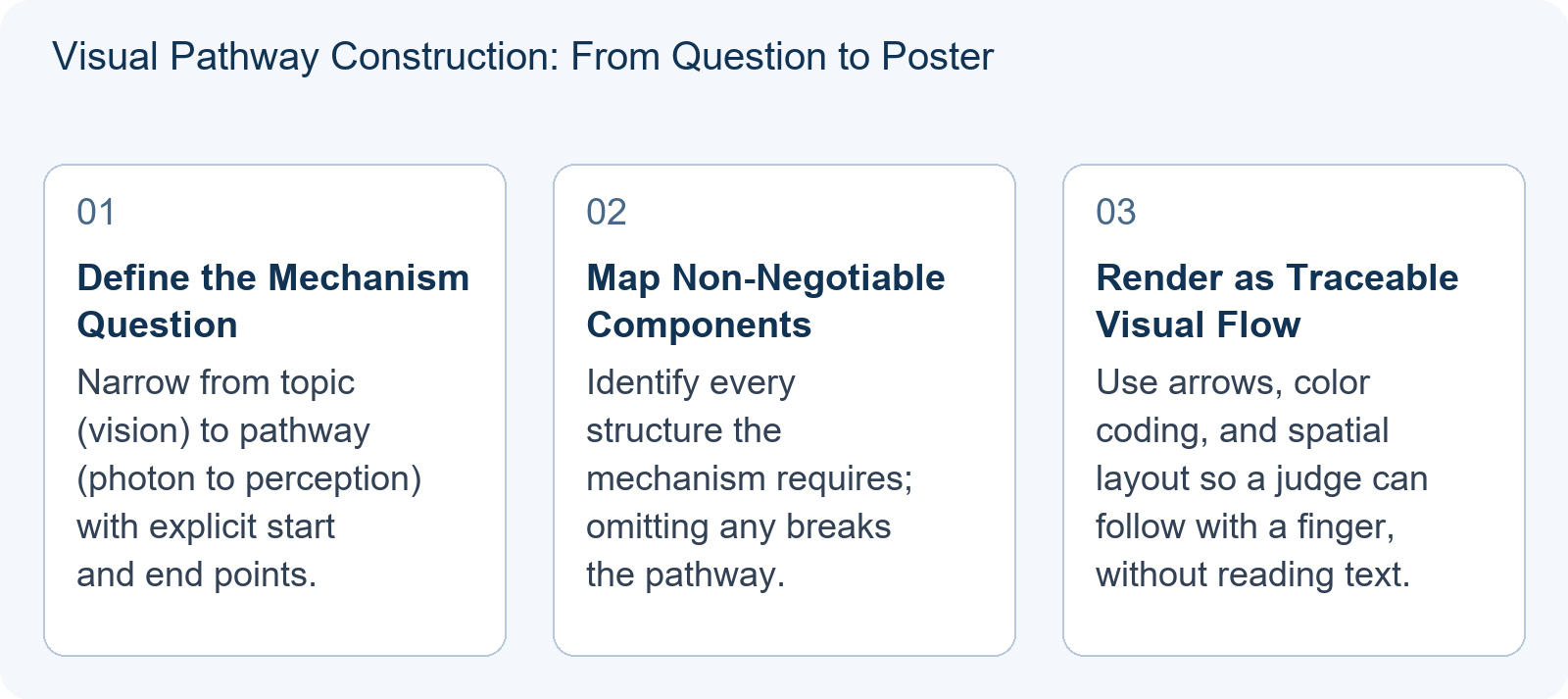
Brain Bee Science Posters: Turn a Neuroscience Question Into a Clear Visual Explanation
Learn how to transform a neuroscience question into a clear visual explanation for the Brain Bee Junior team science poster. We break down the mechanism with a worked teaching illustration, a contrasting failure case, and a diagnostic framework for team preparation.
-
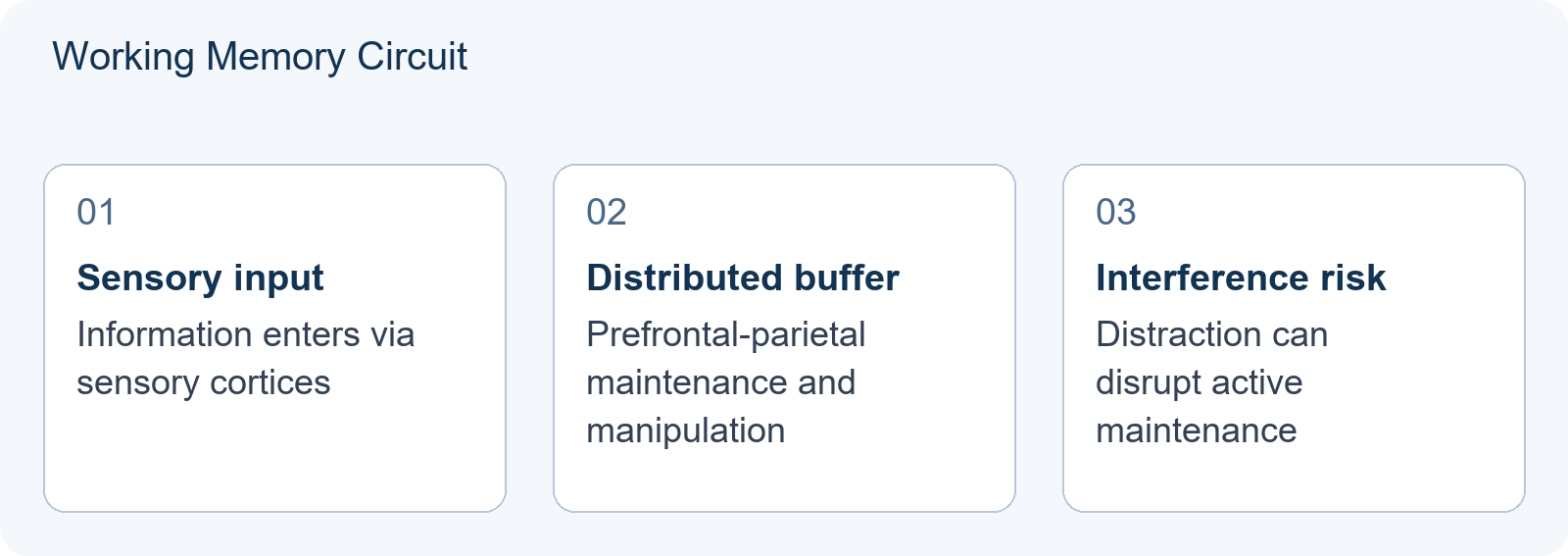
Brain Bee Memory Systems: Distinguish Working Memory From Long-Term Learning
A worked teaching case for Brain Bee students: how working memory buffers and long-term consolidation differ in mechanism, duration, and neural basis, with checked examples showing when each system operates and why confusing them hurts exam answers.
-
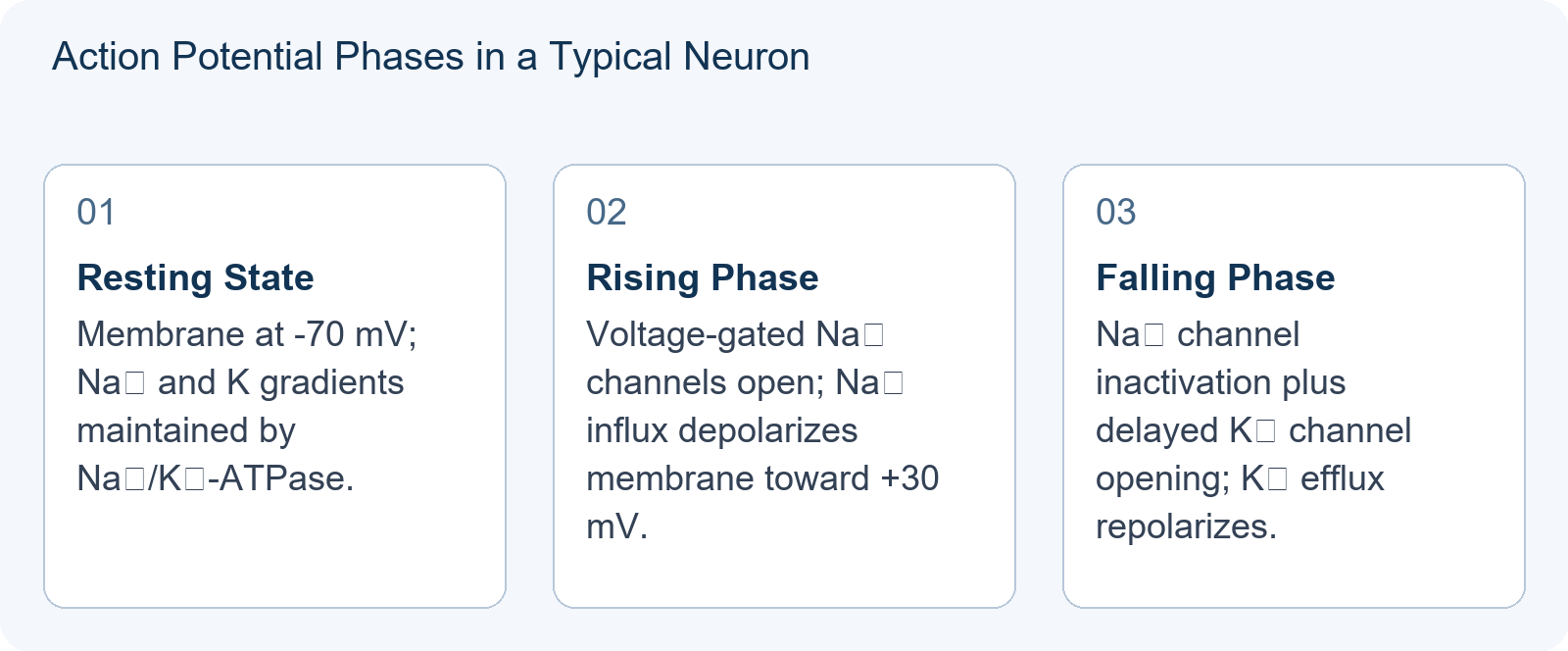
Brain Bee Action Potentials: Read a Voltage Trace Without Confusing Ion Movement
Learn to interpret voltage traces in Brain Bee action potential questions by distinguishing ion movement from membrane potential changes, avoiding common conceptual traps about causality and channel kinetics.
-
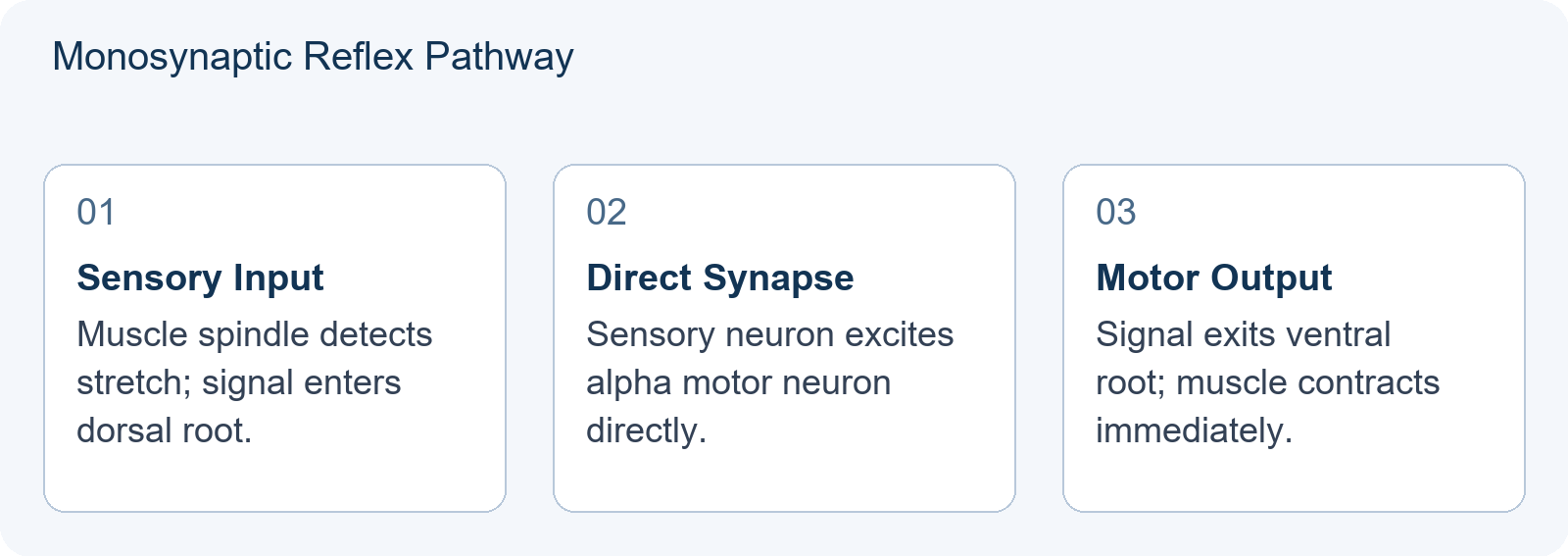
Brain Bee Reflex Arcs: Tracing Sensory Input, Synapses and Motor Output
A focused guide for Brain Bee participants on tracing reflex arcs from sensory input to motor output, featuring worked hypothetical examples and diagnostic strategies.
-
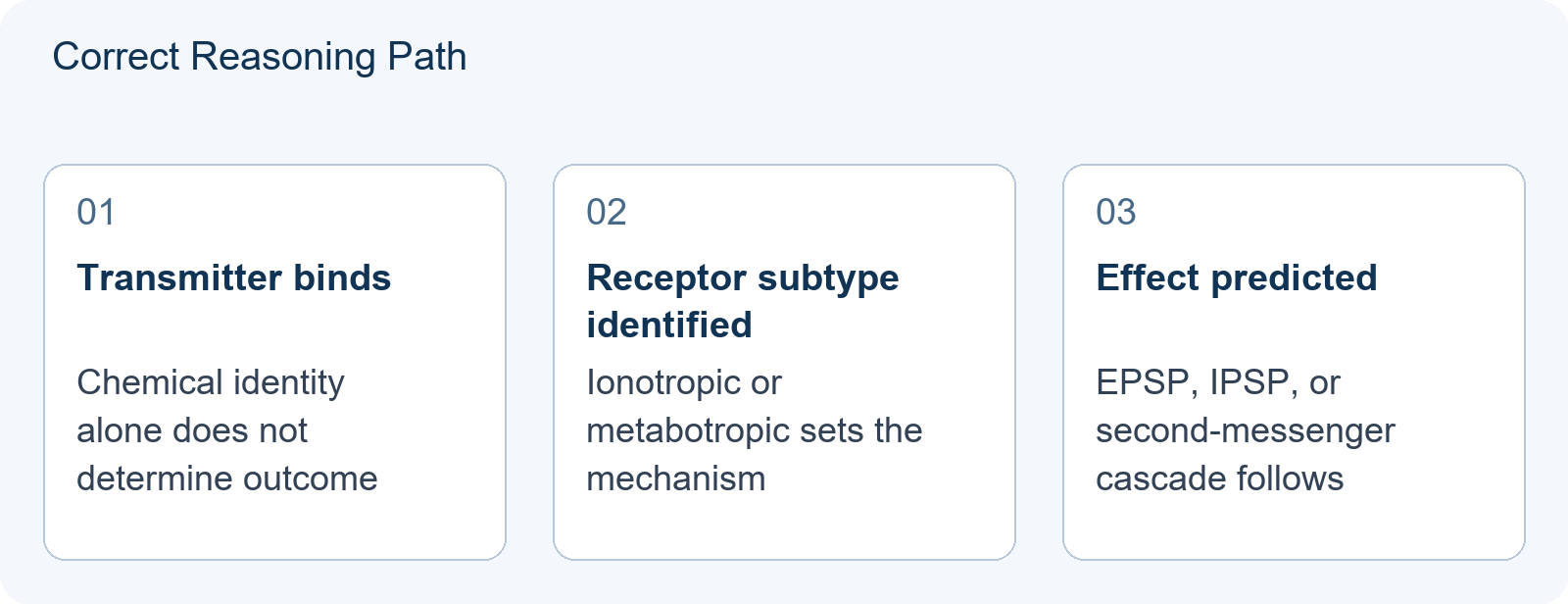
Brain Bee Neurotransmitters: Separating a Chemical Signal From Its Receptor Effect
Learn to distinguish a neurotransmitter’s chemical identity from its receptor-mediated effect—two concepts Brain Bee competitors often merge. Work through three hypothetical teaching illustrations, spot the common shortcut error, and build a reliable decision routine.
-
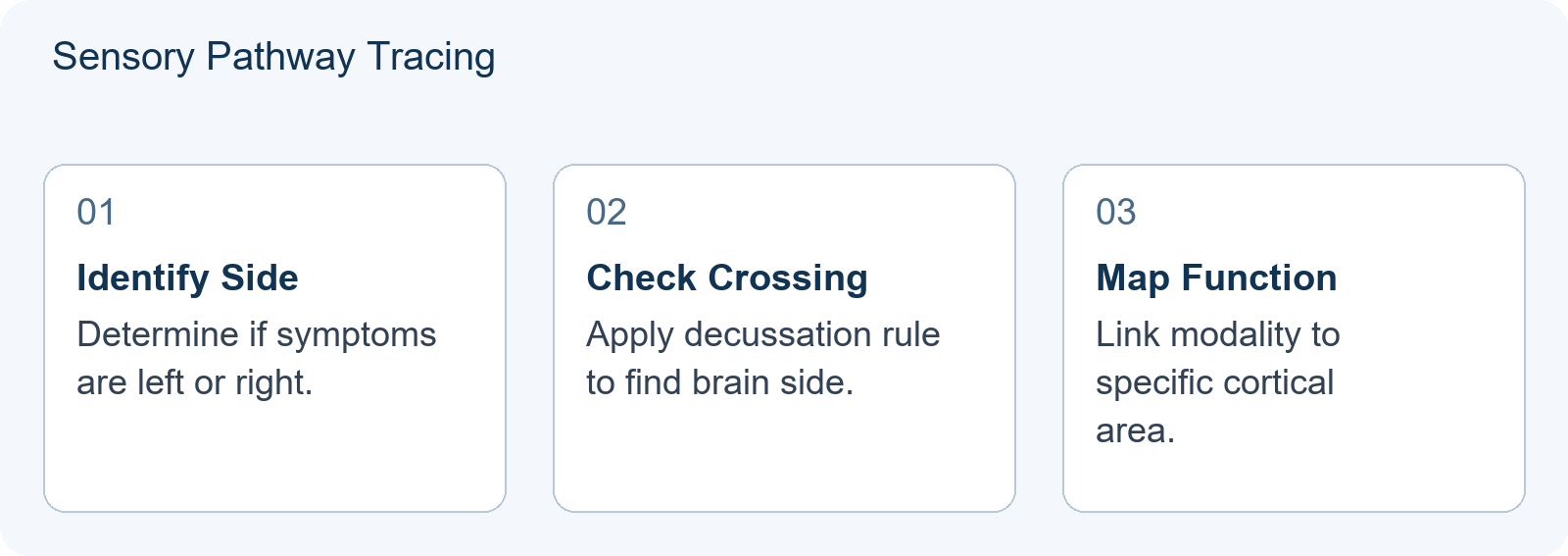
Brain Bee Lesion Localisation: Connecting a Symptom Pattern to a Neural Pathway
A focused guide on diagnosing neural pathway disruptions in Brain Bee competitions, featuring worked hypothetical cases, common reasoning errors, and a practice decision framework.