Brain Bee Tutoring & Guided Prep
Structured coaching for the International Brain Bee neuroscience competition, from the written exam to specimen identification and patient-diagnosis rounds. This is independent guidance for competitors and their families, not an official Brain Bee program.
Build understanding, not a pile of facts
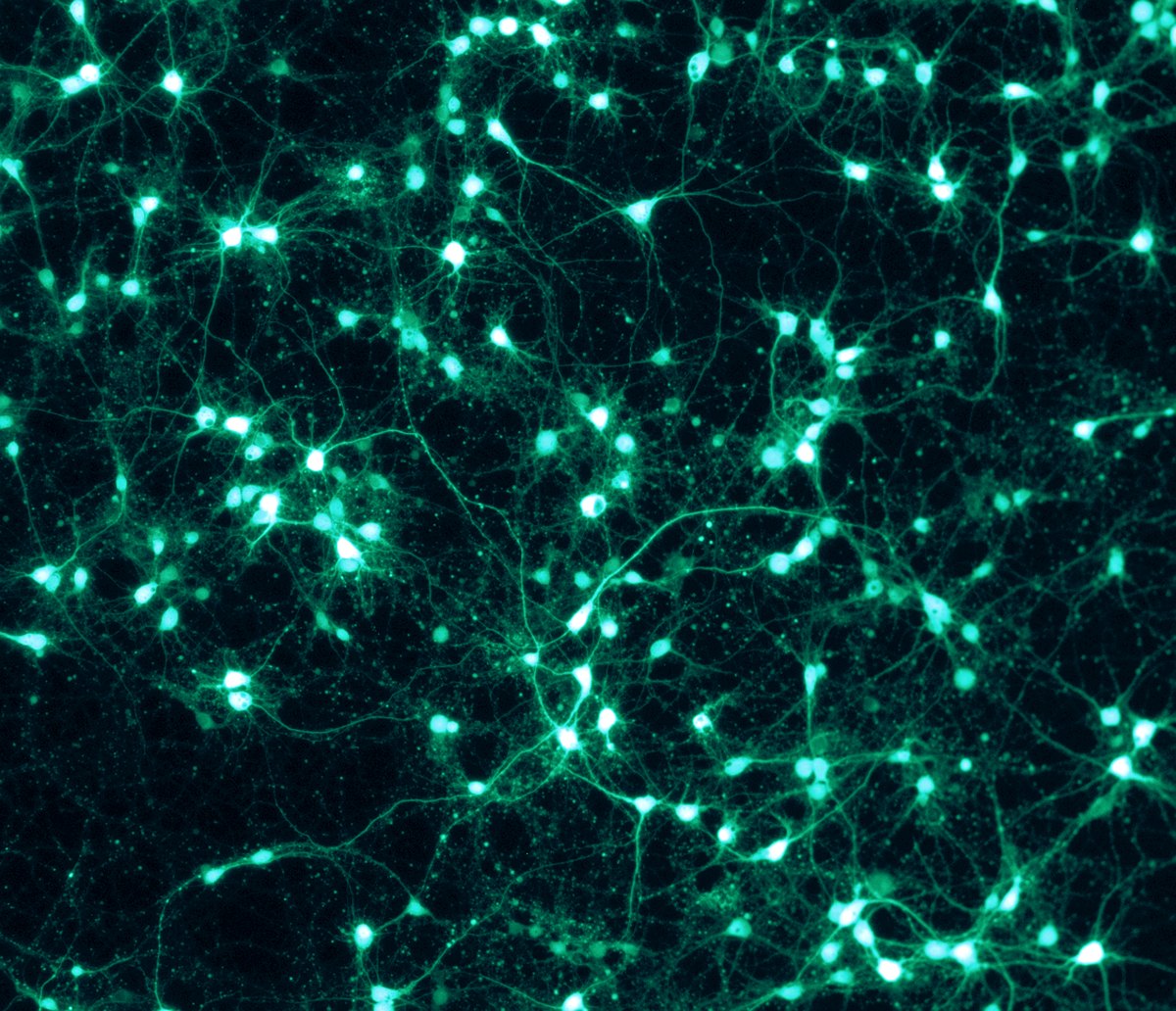
Strong preparation links anatomy, function, disorders, and clinical reasoning into one mental model. Guided study helps students find those connections and practise applying them under competition conditions.
What does Brain Bee tutoring cover?
Guided Brain Bee prep maps directly onto the four ways the competition tests students: a closed-book written exam, neuroanatomy and specimen identification, patient-diagnosis cases, and the live oral round used at national tier and above.
Syllabus Mastery
Systematic work through the six syllabus domains anchored on the Society for Neuroscience Brain Facts primer: neuroanatomy, brain function, neurons and signaling, brain disorders, development and plasticity, and research and treatment.
Past-Question Drills
Timed sets of multiple-choice and short-answer questions in the style of real rounds, with review of every miss so a student learns to read stems carefully and spot single-answer versus multiple-answer items.
Neuroanatomy & Specimen ID
Practice identifying structures on whole and sectioned brains, imaging, and histology slides, building recall of anatomical position, main input and output pathways, grey-matter nuclei, white-matter tracts, and function.
Patient-Diagnosis Cases
Worked case rounds where students read a history, weigh symptoms, and choose diagnostic tests, from CT, PET, and MRI to EEG and nerve-conduction studies, across genetic, infectious, degenerative, psychiatric, and trauma conditions.
Mock Rounds
End-to-end practice contests that combine the sections under time pressure, so the pacing, format switches, and stamina of a real Brain Bee day feel familiar before a student sits the actual competition.
Live Q&A Composure
Rehearsal of the fast, judge-led oral round, where competitors log answers in 30 to 90 seconds and two errors mean elimination, so students practice thinking clearly under a clock and pressure.
Who is Brain Bee tutoring for?
Brain Bee tutoring suits any secondary or upper-primary student preparing for the neuroscience competition, whether they are entering for the first time or returning to reach the national final and beyond.
The International Brain Bee runs two divisions, and guided prep is shaped to each. Junior competitors, usually grades 5 to 8, need a first, confident tour of how the brain works and steady exam habits. Standard competitors, usually grades 9 to 12, face the full contest, including specimen identification and patient-diagnosis cases at the national tier, so their coaching leans harder on neuroanatomy fluency and clinical reasoning. Exact grade bands vary slightly by country.
Guided prep tends to help most in three situations: a motivated newcomer who wants structure rather than a pile of links; a returning competitor who cleared a regional round and now needs the specimen and diagnosis skills the national tier adds; and a student who knows the content but freezes under the clock and wants realistic mock rounds. Coaching is a supplement to a student’s own reading of Brain Facts, never a replacement for it.
How is the tutoring structured?
Students can begin with a free level assessment, join an RMB 9.9 trial class when one is available, and continue into complete tutoring matched to their competition pathway.
Free Level Assessment
A short assessment identifies which syllabus domains are secure and which need work, giving the student a clearer next study step.
RMB 9.9 Trial Class
The trial class lets students experience the teaching approach before deciding whether complete tutoring is appropriate. Ask on WeChat for the next available session.
Complete Tutoring
A structured program can cover syllabus mastery, written questions, neuroanatomy identification, patient diagnosis, mock rounds, and live-question composure.
Spaced, Not Crammed
Regular shorter sessions with drills between them beat last-minute cramming for the volume of terminology and pathways the Brain Bee syllabus expects a competitor to recall.
Why does guided preparation help?
The Brain Bee syllabus is broad and self-directed study can stall; a coach adds structure, feedback, and realistic practice for the exact formats a student will face.
Confident recall
Turning passive reading of Brain Facts into reliable recall of structures, pathways, and disorders under exam conditions.
Exam pacing
Learning to move at the right speed through written items, and to read whether a question wants one answer or several.
Neuroanatomy fluency
Recognising structures on real specimens, imaging, and slides rather than only on textbook diagrams.
Case reasoning
Building a repeatable way to read a patient history and pick diagnostic tests that actually narrow the possibilities.
Q&A composure
Staying clear-headed in the fast oral round where a short clock and two errors decide the outcome.
Study habits
Leaving with an independent method for the syllabus, useful well beyond a single Brain Bee season.
This tutoring is not endorsed by the International Brain Bee
The IBB identifies the free IYNA Brain Bee Bootcamp as its official bootcamp and does not endorse for-profit training providers. This page describes an independent option only. No coaching can guarantee a placement or a World Championship berth; results depend on the student’s own work. Students may also begin with the free resources collected here or check the official competition guidance.
Choose the Brain Bee support you need
We provide competition registration service and the entry form, periodic RMB 9.9 trial classes, complete Brain Bee tutoring, and a free level assessment.